
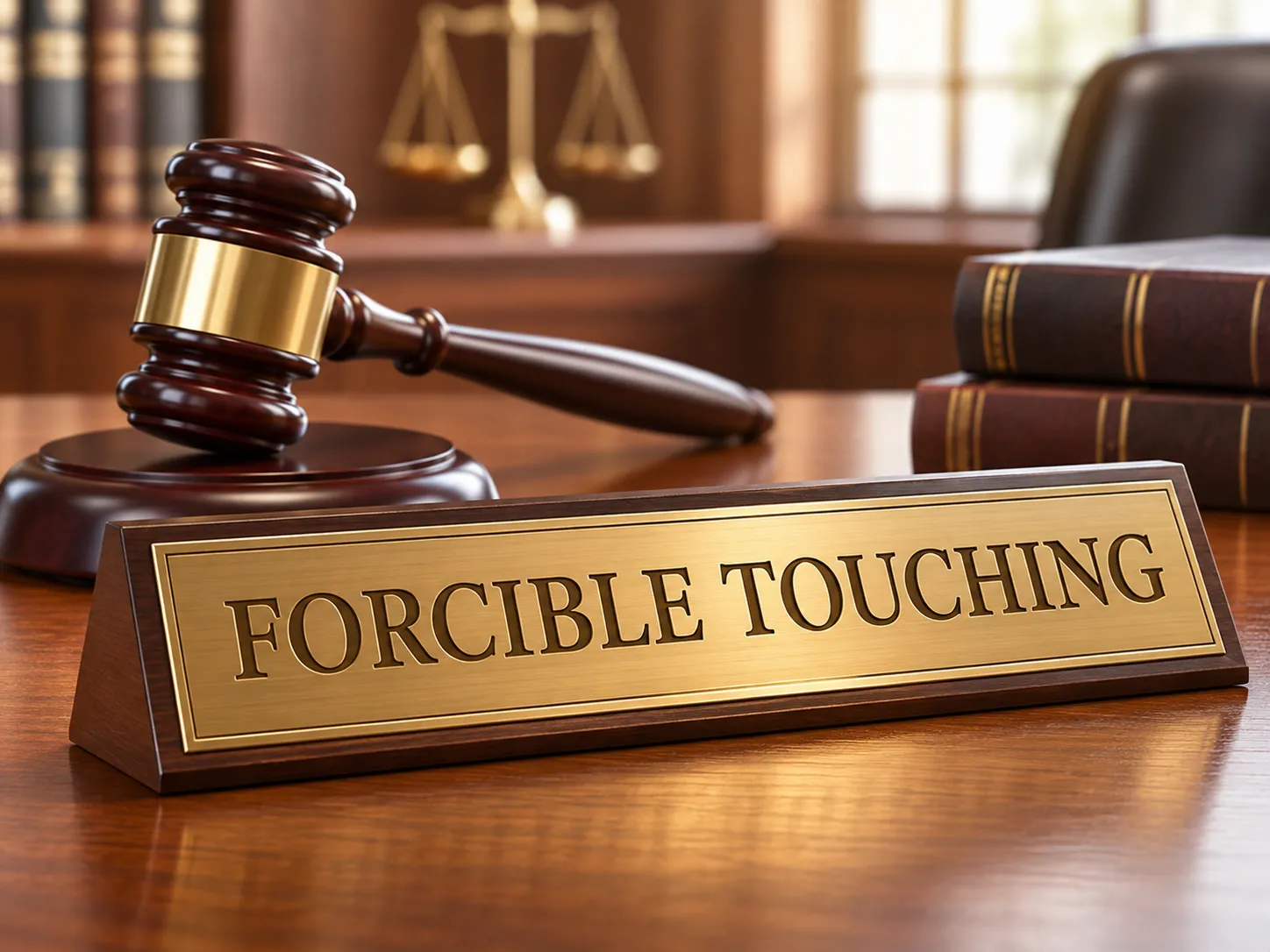
A person is guilty of forcible touching when such person intentionally and for no legitimate purpose forcibly touches the sexual or other intimate parts of another person for the purpose of degrading or abusing such person or for the purpose of gratifying his or her sexual desire. That includes squeezing, grabbing, or pinching. A similar crime that is often charged along with forcible touching is Sexual abuse in the third degree. That happens when the actor subjects another person to sexual contact without that person’s consent. There is an affirmative defense to the sexual abuse in the 3rd degree when the complaining witness is between the ages of 14 and 17, and the actor is less than 5 years older than the complaining witness. Forcible touching is a Class A misdemeanor punishable by up to 364 days in jail, while sexual abuse in the third degree is a Class B misdemeanor punishable by up to three months in jail.
For the general Class A and Class B misdemeanor framework, local-court procedure, and collateral consequences, see the firm’s New York misdemeanor defense guide.
Quite often in our practice, we come across clients who wrongly believe that it is OK to “friendly” or “playfully” touch another person because it is socially acceptable in the countries where they came from, or or because it was considered socially acceptable and tolerated in this country decades ago. Today, this conduct is a crime that is taken seriously, and the violator will be arrested and prosecuted regardless of what was acceptable in their country of origin or back in the day.
For a better understanding of what exactly the elements of forcible touching and sexual abuse misdemeanor crimes are, it makes sense to carefully examine the definitions and court interpretations of the law relevant to these offenses. As defined in New York Penal Law, “sexual contact” means any touching of the sexual or other intimate parts of a person for the purpose of gratifying the sexual desire of either party. It includes the touching of the actor by the victim, as well as the touching of the victim by the actor, whether directly or through clothing, as well as the emission of ejaculation by the actor upon any part of the victim, clothed or unclothed. “Intentionally” has an ordinary meaning and excludes accidental touching. Accidental touching, for example, during a sudden train stop when people may fall on each other, obviously, would not be charged as a crime. Also, touching for a legitimate purpose, for example, as part of the health care by a licensed medical professional, would not count as a crime. The same goes for the consented touching, as between intimate partners, spouses, friends, or during contact sports practice or competition (e.g., wrestling). Consent may be expressed or implied, such as participation in a wrestling competition or playing a role in a movie or a theater play. Forcibly touching another includes squeezing, grabbing, pinching, rubbing, or other bodily contact involving the application of some level of pressure to the victim’s sexual or intimate parts.
The Penal Law further explains that in case of forcible touching and/or sexual abuse offenses, lack of consent may result from any circumstances, in addition to forcible compulsion or incapacity to consent, in which the victim does not expressly or impliedly acquiesce in the actor’s conduct. The person is deemed incapable of consent when he or she is less than 17 years old, mentally disabled, mentally incapacitated, physically helpless, or is incarcerated in jail or is a patient in the hospital, and the actor is an employee of such prison and/or hospital.
District Attorney’s offices have strict guidelines regarding forcible touching crimes. Usually, the prosecutor would insist on a plea to the charge and a long treatment program for the offender. The possible sentence may be probation or conditional discharge, unless there are aggravating circumstances. Our law firm has experience in obtaining an acquittal verdict after a jury trial of our client, who was charged with forcible touching.
New York sex-offense charges, including forcible touching, sexual abuse, rape, and criminal sexual act, can carry serious criminal and collateral consequences. Whether a conviction triggers sex-offender registration depends on the exact offense and statutory definition. A charge alone does not establish a federal immigration ground. Federal consequences depend on the statute of conviction, record and sentence where relevant, victim age and conduct, immigration status and admission history, and available relief. Some sex offenses may be crimes involving moral turpitude, crimes of violence, or aggravated felonies; other classifications require statute-specific analysis. Official source
Forcible Touching Cases in Brooklyn, Queens, Manhattan and Nassau County
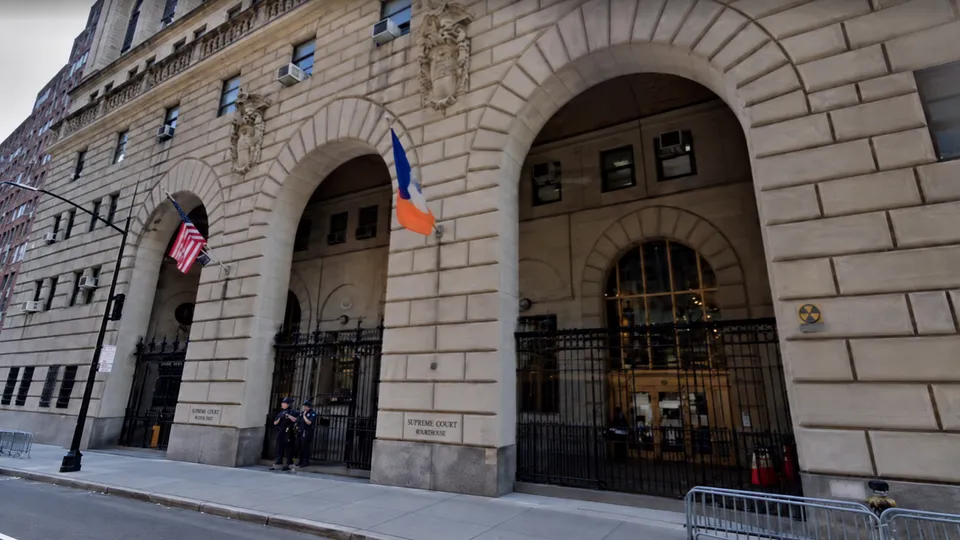
A forcible touching charge is heard in the criminal court of the county where the incident is alleged to have happened. The case usually begins with an arraignment, where the judge may also issue a temporary order of protection. Our court guides explain what to expect in each court:
- Brooklyn: Kings County Criminal Court, 120 Schermerhorn Street
- Queens: Queens County Criminal Court, Kew Gardens
- Manhattan: New York County Criminal Court, 100 Centre Street
- Nassau County: Nassau County District Court, 99 Main Street, Hempstead
We meet clients at our Brooklyn office and our Hempstead office.
Practical answers
Frequently Asked Questions
Is forcible touching a felony in New York?
Will I have to register as a sex offender?
Do I have to go to court for a forcible touching charge?
Can a forcible touching case be sealed?
If you have any questions regarding forcible touching or other sex offenses, please contact our office.
 WhatsApp
 Telegram