Find clear guidance for the legal issue in front of you.
Explore practical articles on criminal defense, Family Court, federal defense, personal injury, traffic offenses, and professional licensing in New York.
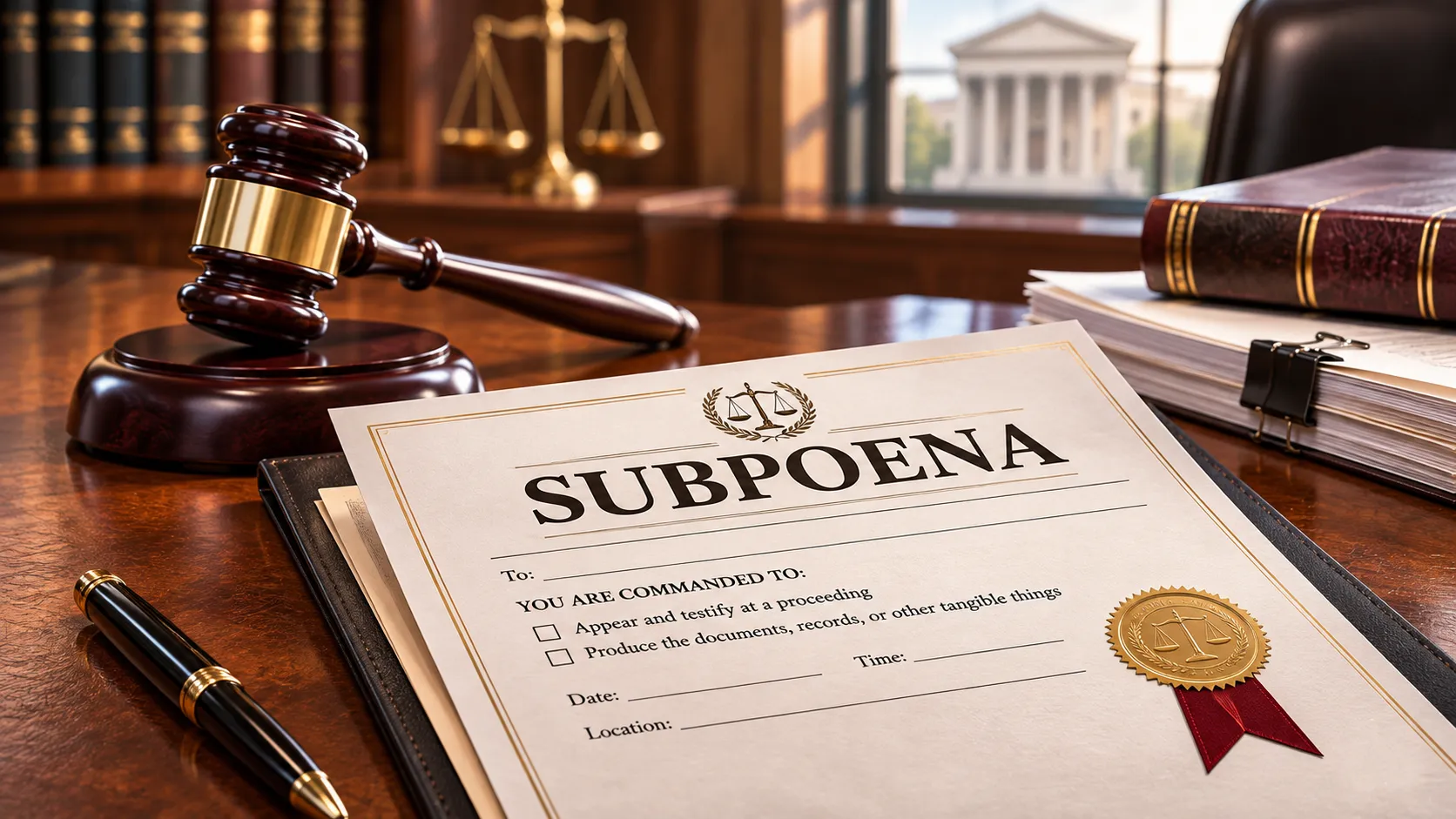
What a subpoena is, the different types in New York and federal cases, what happens if you ignore one, and why to talk to a lawyer before you testify or turn over records.
What New York no-fault insurance pays after a car accident, whose insurance pays, the 30-day deadline, and when you can sue the driver who caused the crash.
What to expect at Brooklyn's criminal courts: arraignment at Kings County Criminal Court, release and bail, and felony cases in Kings County Supreme Court.
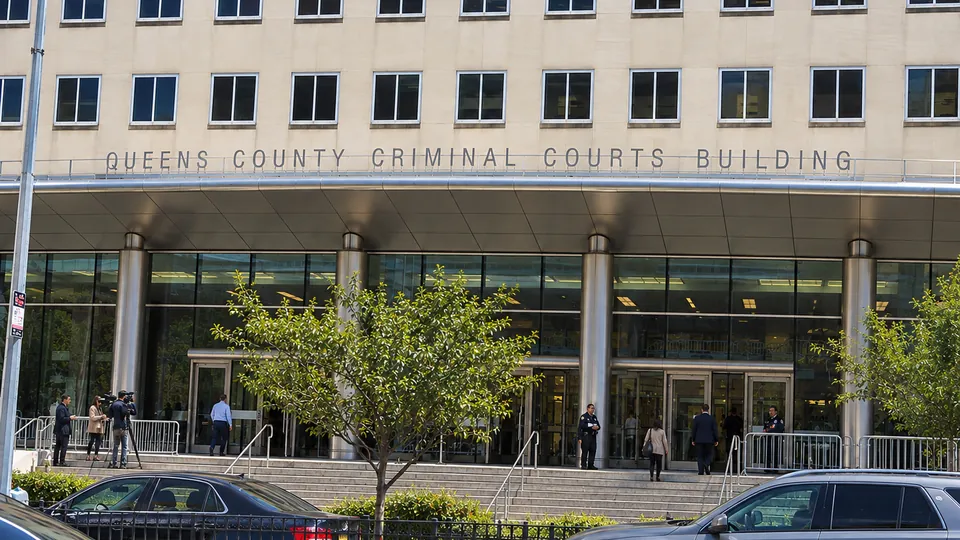
What to expect at the Queens criminal courts in Kew Gardens: arraignment at 125-01 Queens Boulevard, release and bail, and felony cases in Supreme Court.
What happens at an arraignment at Nassau County District Court in Hempstead: which cases are arraigned there, release and bail, orders of protection, and what comes next.
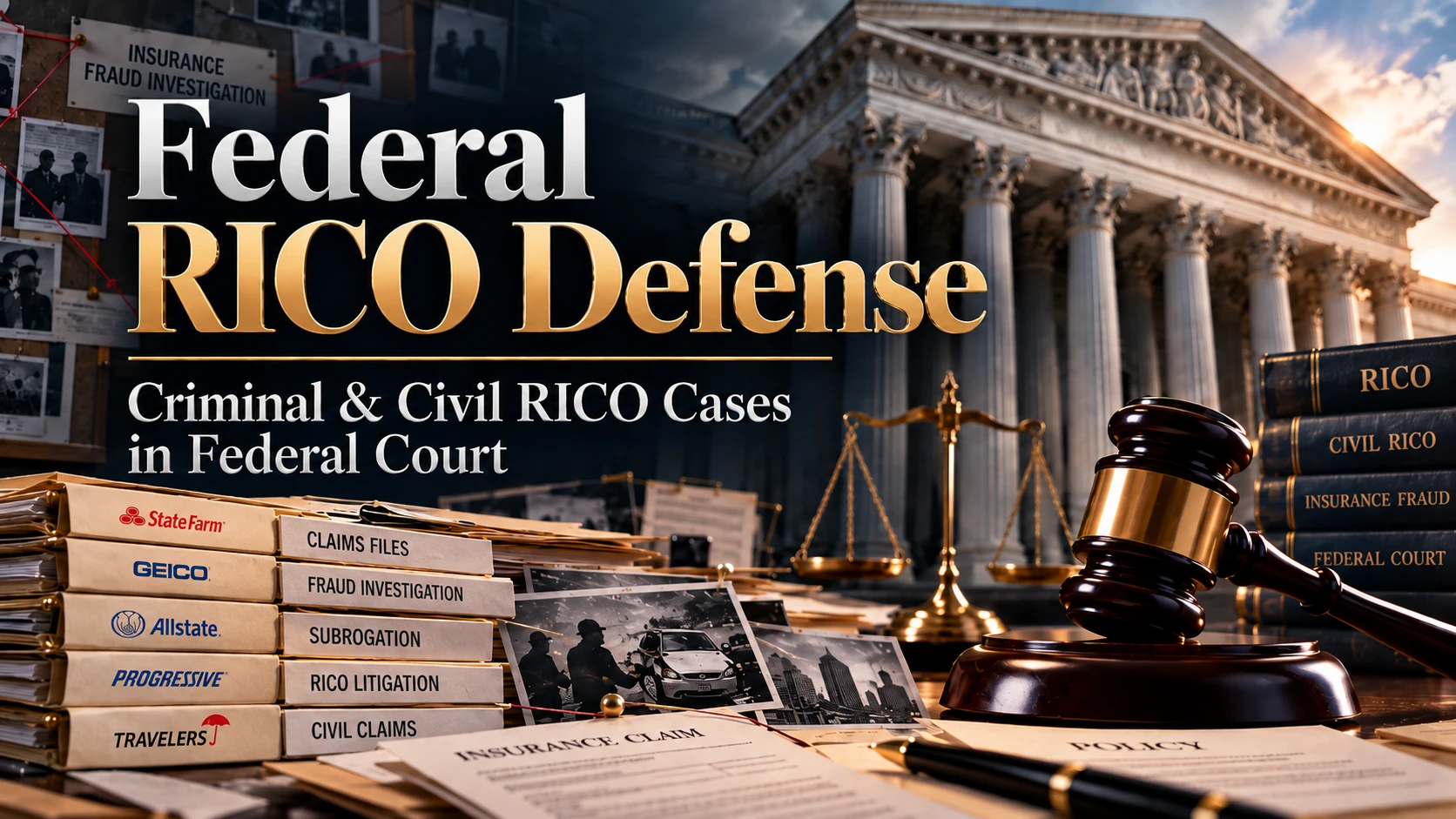
Federal agents are investigating adult day care centers in Brooklyn, Queens, and across New York for Medicaid fraud and kickbacks. Learn the charges, penalties, defenses, and what to do if agents arrive.
This guide explains, in plain language, the four main types of personal injury claims in New York and the special rules that apply to each one. Knowing which type of case you have is the first step to protecting your right to compensation.
Car accidents, falls, property hazards, or construction injuries
This guide explains, in everyday language, what happens at a grand jury in New York, how the process works, and the big decision many people face: whether to go in and tell their side of the story.
Learn when a New York prenuptial agreement may help protect assets, children from a prior marriage, support expectations, and inheritance rights—and what makes an agreement enforceable.
Understand how New York drug charges may vary by substance, weight, packaging, and alleged intent—and why immigration consequences and plea decisions require careful review.
Learn who may seek or face a Family Court Order of Protection, how a family-offense petition proceeds, and how temporary or final orders can affect contact, custody, and housing.
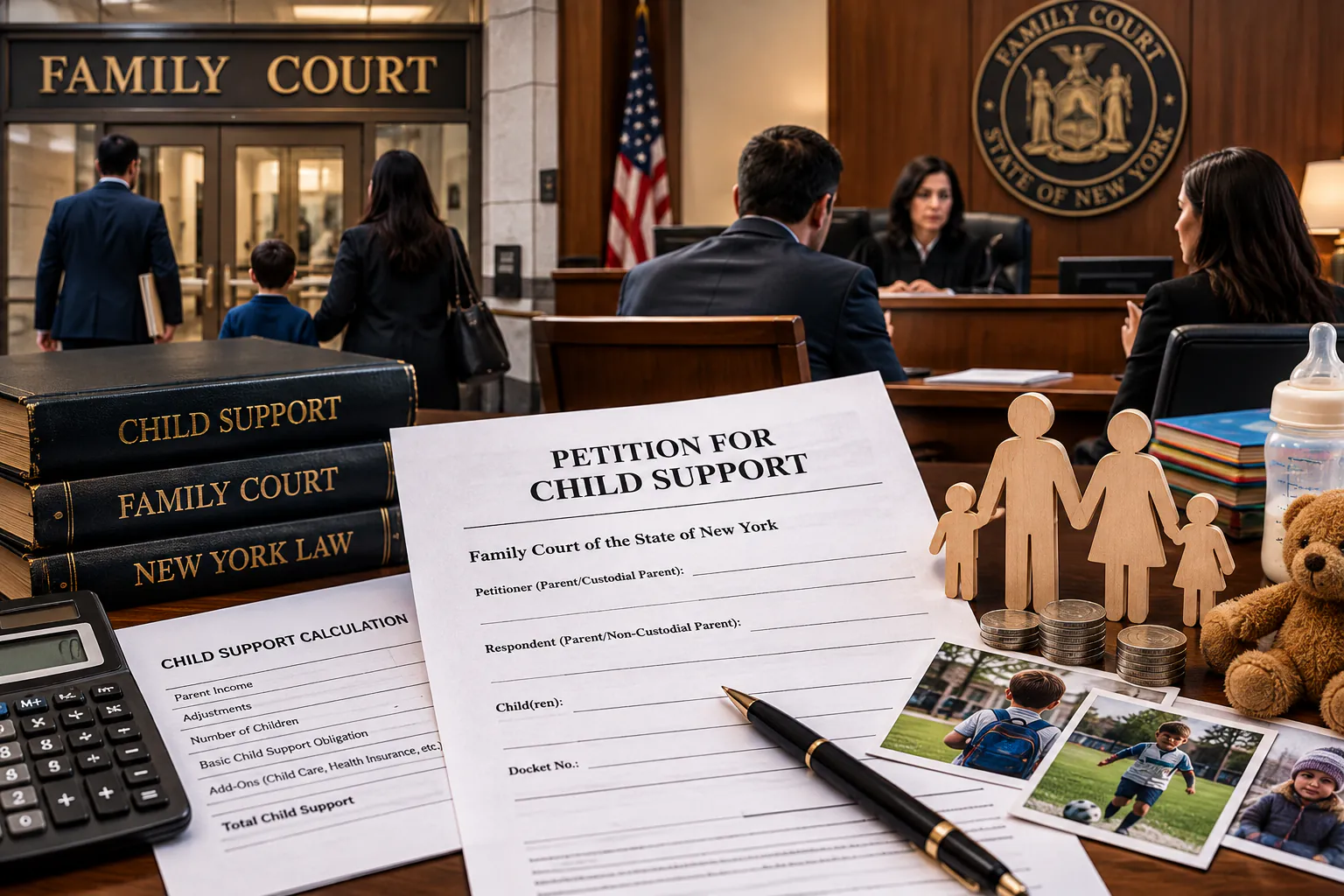
A practical overview for parents starting, responding to, enforcing, or seeking to modify child support in New York Family Court, including filing, financial disclosure, hearings, and additional expenses.
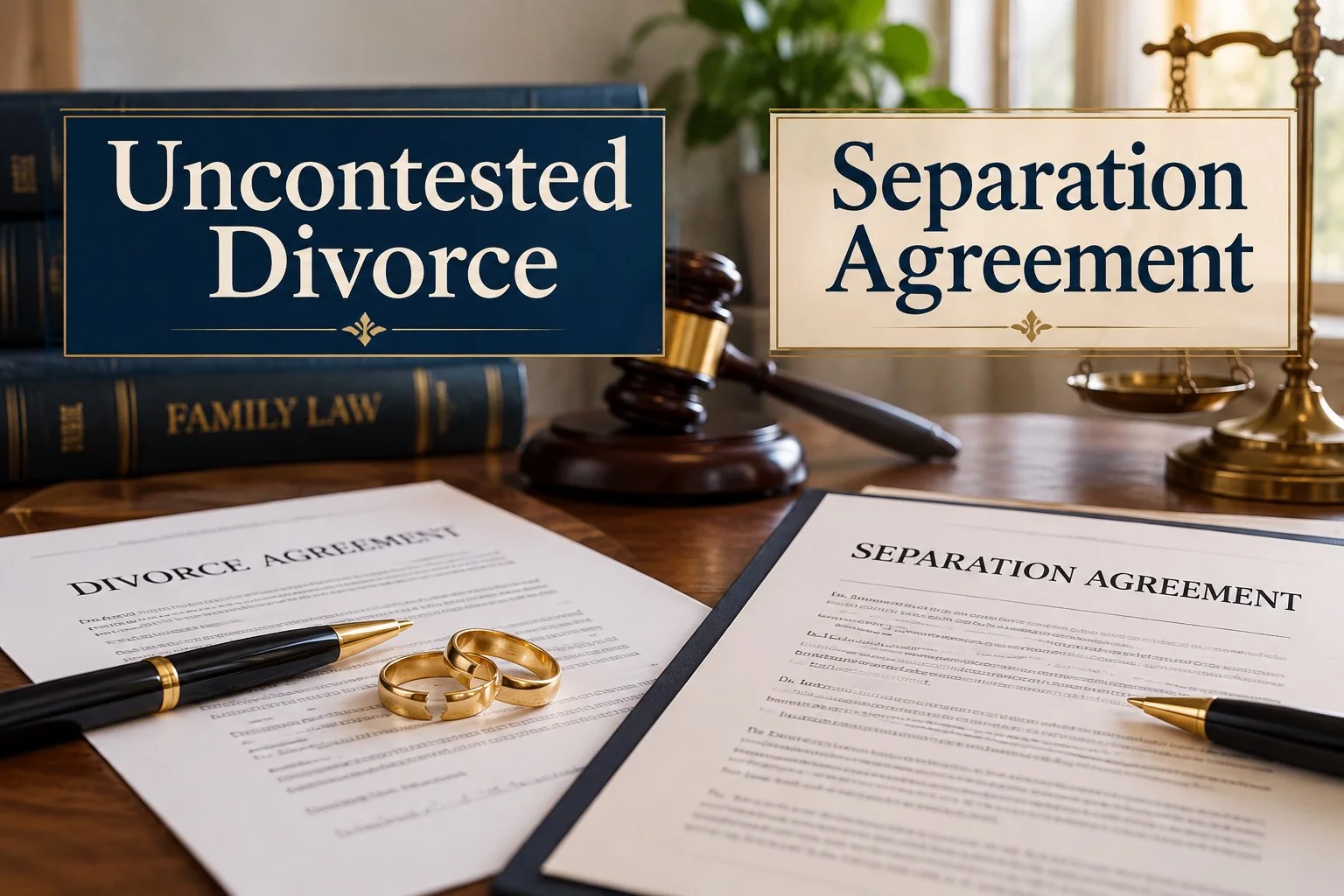
For spouses who agree on property, support, custody, and other terms, this guide explains the New York uncontested-divorce process, essential paperwork, and issues that must be resolved.
Resisting arrest is one of the most commonly added charges in New York, and one of the most misunderstood. Learn what the law requires and how the charge can be defended.
For travelers whose cash was seized at an airport, this guide explains federal civil forfeiture, claims, remission petitions, important deadlines, and options for seeking judicial review.
Follow the stages of a New York criminal jury trial—from jury selection through verdict—and understand the questions that may matter when weighing a negotiated plea against trial.
Learn what may happen after an arrest in New York, from police contact and arraignment through bail, Grand Jury, discovery, plea negotiations, trial, and record sealing.
If you or a loved one is under federal investigation or facing charges for wire fraud, money laundering, bank fraud, or a related conspiracy, understanding how the federal criminal system works is not optional — it is essential.
Receiving a traffic ticket is inconvenient, but ignoring it is far worse. What starts as a minor violation can quickly spiral into license suspensions, mounting fines, and even criminal charges. Here’s what you need to know.
A Desk Appearance Ticket — commonly called a DAT — is a written order issued by police directing you to appear in criminal court on a specific date to answer to a criminal charge.
If you have been arrested for Driving While Intoxicated (DWI) in New York and you refused a chemical test, one of the first questions you are likely asking is whether refusing the test was the right decision — and what happens next.
A past conviction can block you from jobs, housing, and professional licenses for years after your case is over. New York gives you two ways to put it behind you.
An arrest for assault can happen quickly — a bar fight, a road rage incident on the highway, a shoving match over a parking spot, a heated argument between neighbors that turns physical — and the consequences can follow a person for years.
Understand what may follow a domestic-violence arrest, including Criminal and Family Court proceedings, Orders of Protection, and possible effects on housing, contact, and children.
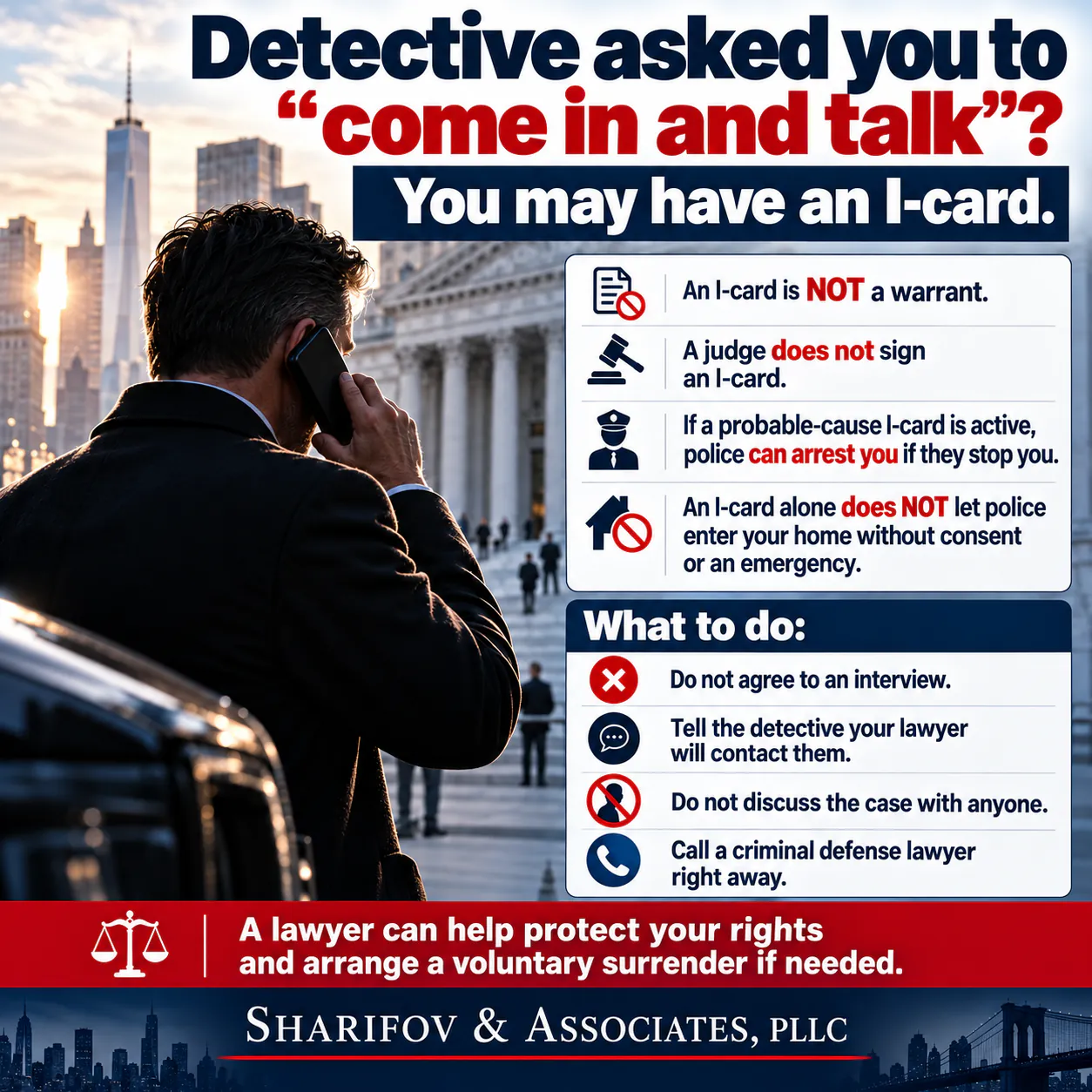
If a police detective has called you and asked you to come in to answer some questions, or if you have been contacted about a criminal matter, this page will explain what is likely happening, what your rights are, and what you should do next.
If you were involved in a traffic accident in New York and left the scene — whether you panicked, didn’t realize damage occurred, or were unsure what to do — you may be facing a hit and run investigation or criminal charges.
If you or someone you know has been arrested or charged with a crime in New York, one of the first questions that comes up is whether the charge is a felony or a misdemeanor.
Learn about Aggravated Unlicensed Operation charges, common suspension causes, notice issues, potential penalties, and practical steps before appearing in a New York criminal court.
If you were arrested, charged, or received a Desk Appearance Ticket for petit larceny or shoplifting in New York, you are facing a criminal charge — not a simple violation.
Charged with operating a motor vehicle with a suspended registration in NYC or Long Island? Here is what you need to know — and how an experienced New York criminal defense attorney can help.
Learn what may follow a New York DWI arrest, including chemical-test refusal, DMV proceedings, possible charges, license consequences, repeat offenses, and accident-related issues.
For healthcare professionals facing an investigation, subpoena, search, or conspiracy charge, this guide outlines common allegations, federal procedures, potential penalties, and defense considerations.
A practical guide to safety, medical care, documentation, insurance communications, evidence, claim evaluation, deadlines, and when legal help may be useful after a car crash.
In our extensive criminal defense and family court practice, we often come across Order of Protection violations. In New York State, two types of Courts may issue Orders of protection – Criminal Courts and Family Courts.
If you have been issued a Nassau County traffic ticket, you may be thinking about contacting a Nassau County traffic ticket attorney. Many people wonder if fighting a Nassau traffic ticket is worth it.
If you are an Uber or yellow cab taxi driver in New York City, you must have a TLC driver’s license. After an arrest for certain charges, the TLC may suspend your license.
A person is guilty of forcible touching when such person intentionally and for no legitimate purpose forcibly touches the sexual or other intimate parts of another person for the purpose of degrading or abusing such person or for the purpose of gratifying his or her sexual desire.
Domestic violence is a general term describing various crimes and offenses committed between spouses or former spouses, between parent and child, or between the members of the same family or household, as this term is defined in the New York Family Court Act (“FCA”).
Sometimes our clients who have been charged with a crime ask us an interesting question – why do I need to hire you, a private attorney, if I already have a free lawyer appointed by the Court?

 Criminal Defense






















 WhatsApp
 Telegram