
This article provides general information only. It should not be construed as legal advice or as specific guidance for your situation.
New York has some of the strictest gun laws in the country. A firearm that is legal to own in another state, a pistol carried with an out-of-state permit, or a gun found in a car with several people inside can all lead to a felony arrest in New York City or on Long Island. The most serious possession charge, criminal possession of a weapon in the second degree, is a violent felony that generally carries a minimum prison sentence of three and a half years on conviction.
Sharifov & Associates, PLLC defends people charged with gun and weapon offenses in Brooklyn, Manhattan, Queens, the Bronx, Staten Island, Nassau County and Suffolk County. Our gun charges lawyers handle cases from the first arraignment through hearings, grand jury and trial.
Common Gun and Weapon Charges in New York
Criminal Possession of a Weapon in the Fourth Degree (Penal Law § 265.01): Class A misdemeanor. The lowest-level weapon possession charge. It covers, among other things:
- possessing a firearm, electronic stun gun, electronic dart gun, switchblade knife or certain other listed weapons;
- possessing a dangerous instrument or weapon with intent to use it unlawfully against another person;
- possessing a ghost gun, or an unserialized or unfinished frame or receiver, without a license.
Criminal Possession of a Firearm (Penal Law § 265.01-b): Class E felony. Possessing any firearm without the required license can be charged as a felony, even when the gun is not loaded.
Criminal Possession of a Firearm in a Sensitive Location (Penal Law § 265.01-e): Class E felony. Since 2022, New York law lists “sensitive locations” where firearms are banned even for many license holders. They include the subway, buses, trains and stations; Times Square (where marked); public parks and playgrounds; schools and colleges; places of worship; bars and restaurants licensed to serve alcohol; theaters, stadiums and concert venues; government buildings and courts; and polling places. The charge applies when the person knew or reasonably should have known the location was sensitive.
Criminal Possession of a Weapon in the Third Degree (Penal Law § 265.02): Class D felony. This charge includes:
- a fourth-degree weapon possession charge combined with any prior criminal conviction;
- possessing three or more firearms;
- possessing a firearm outside your home or business after a felony or Class A misdemeanor conviction within the last five years;
- a defaced firearm (for example, with the serial number removed);
- an assault weapon or a large capacity ammunition feeding device;
- a silencer, a machine gun or a disguised gun.
Criminal Possession of a Weapon in the Second Degree (Penal Law § 265.03): Class C violent felony. The charge most people mean when they say “gun charge” in New York City. It covers:
- possessing a loaded firearm outside your home or place of business;
- possessing five or more firearms;
- possessing a loaded firearm, machine gun or disguised gun with intent to use it unlawfully against another person.
Under New York law, a gun counts as “loaded” not only when there is ammunition inside it, but also when the person has ammunition for that gun with them at the same time (Penal Law § 265.00(15)). An unloaded pistol in a bag with a box of matching bullets can therefore be charged as a loaded firearm.
Penalties for Gun Possession in New York
- Class A misdemeanor (CPW 4th degree): up to 364 days in jail.
- Class E felony (criminal possession of a firearm; sensitive location): up to four years in prison; probation and non-jail outcomes are possible in some cases.
- Class D felony (CPW 3rd degree): up to seven years in prison.
- Class C violent felony (CPW 2nd degree): generally a determinate prison sentence of at least 3½ years and up to 15 years (Penal Law § 70.02). Plea bargaining in these cases is restricted by law.
A prior record can raise the minimum sentence sharply. A gun conviction can also bar a person from ever holding a firearm license, and it can have serious consequences for non-citizens.
Out-of-State Gun Licenses and Long Island Licenses in New York City
New York does not honor pistol licenses or concealed-carry permits issued by other states. A visitor who drives into New York with a handgun that is legal at home can be charged with a felony.
New York pistol licenses are also limited. A license issued by a Long Island county generally does not, by itself, permit carrying a handgun in New York City.
The 2022 Supreme Court decision in New York State Rifle & Pistol Association v. Bruen changed how carry licenses are issued, but it did not make unlicensed possession legal. New York responded with new licensing requirements and the sensitive-location law described above.
Gun Found in a Car: The Automobile Presumption
When a firearm is found in a private car, Penal Law § 265.15(3) lets the prosecution presume that everyone in the car possessed it. The presumption does not apply when:
- the gun is found on one particular person;
- the driver is a licensed driver for hire working at the time (the presumption does not apply to that driver);
- the gun is a pistol or revolver and someone in the car has a valid license to carry it concealed.
The presumption is not proof. It can be challenged at trial, and how the gun was found and who had access to it often decide these cases.
How Gun Charges Are Defended
Every case is different, but these questions come up in most gun cases:
- Was the stop and search legal? Many gun cases begin with a car stop, a street stop or a search of a home or bag. If the police did not have a lawful basis, the defense can ask the court to suppress the gun at a pretrial hearing. See our guide to criminal court hearings.
- Did the person actually possess the gun? When a gun is found in a shared apartment, a car or a common area, the prosecution must prove the person knew about it and had control over it. Showing that other people had access can defeat the charge.
- Is it a “firearm” or “loaded” under the law? The prosecution must show the gun was operable, and the “loaded” element depends on what ammunition was present and where.
- Does an exemption or license apply? Licenses, the home-or-business exception for loaded-firearm possession, and other statutory exemptions can change the charge.
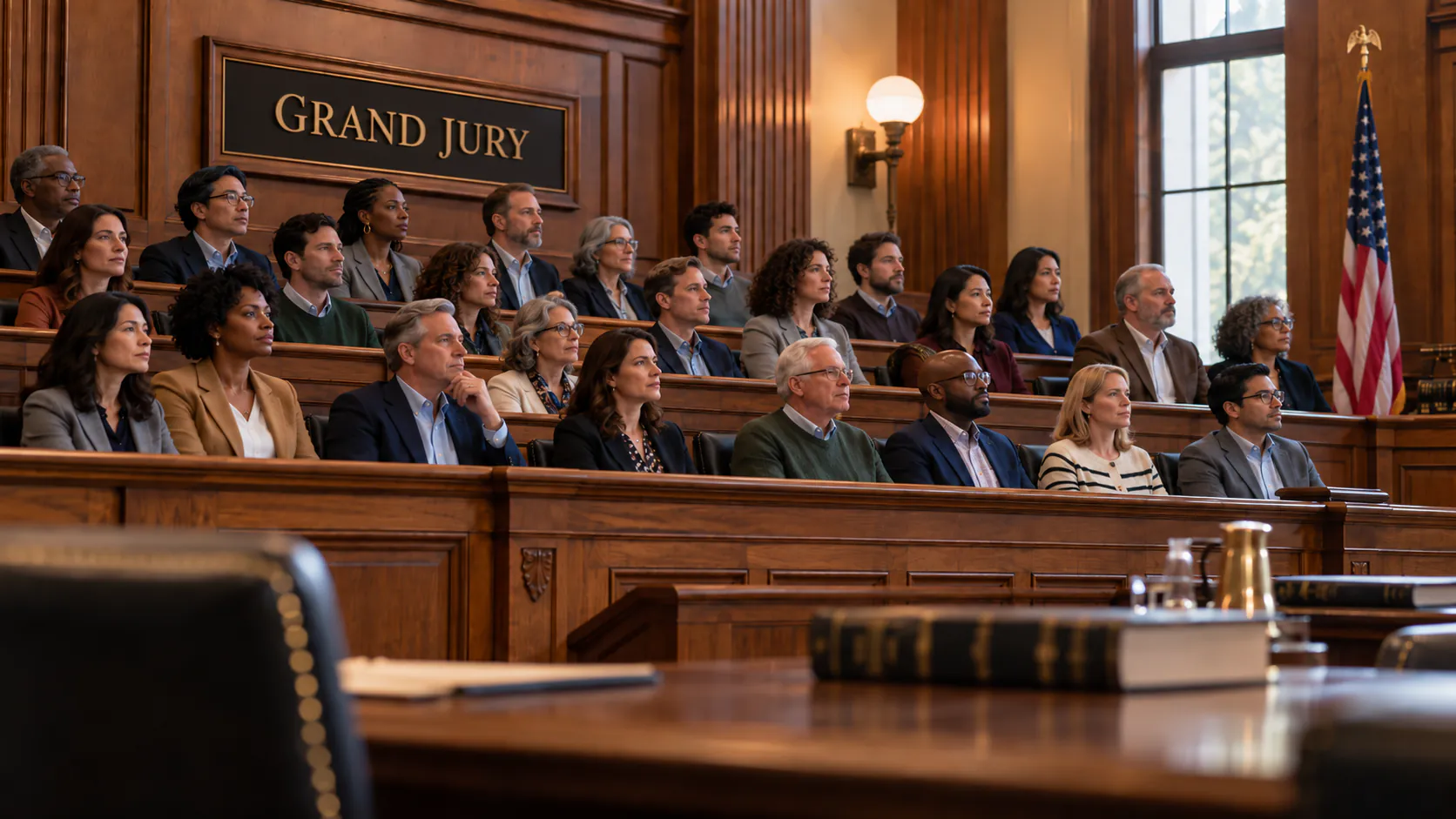
- The grand jury. A felony gun case in New York must be presented to a grand jury unless the person waives indictment. The defense can present the person’s side in some cases. See what happens at a grand jury in New York and our guide to felony charges.
Immigration Consequences of a Gun Conviction
For non-citizens, including green card holders, a firearm conviction can make a person deportable, even when the sentence is short or the charge is a misdemeanor. Before accepting any plea, a non-citizen should have the immigration consequences reviewed. See immigration consequences of criminal charges.
Practical answers
 WhatsApp
 Telegram