
Felony and misdemeanor defense
Representation in District Court proceedings, felony investigations and arraignments, Grand Jury matters, and indicted cases in Nassau County Court.
Nassau County criminal defense
Sharifov & Associates, PLLC defends people facing investigations, arrests, misdemeanors, felonies, DWI charges, and Grand Jury matters in Nassau County.
Video consultations are available by request. For an imminent court date or recent arrest, call rather than relying only on an online message.
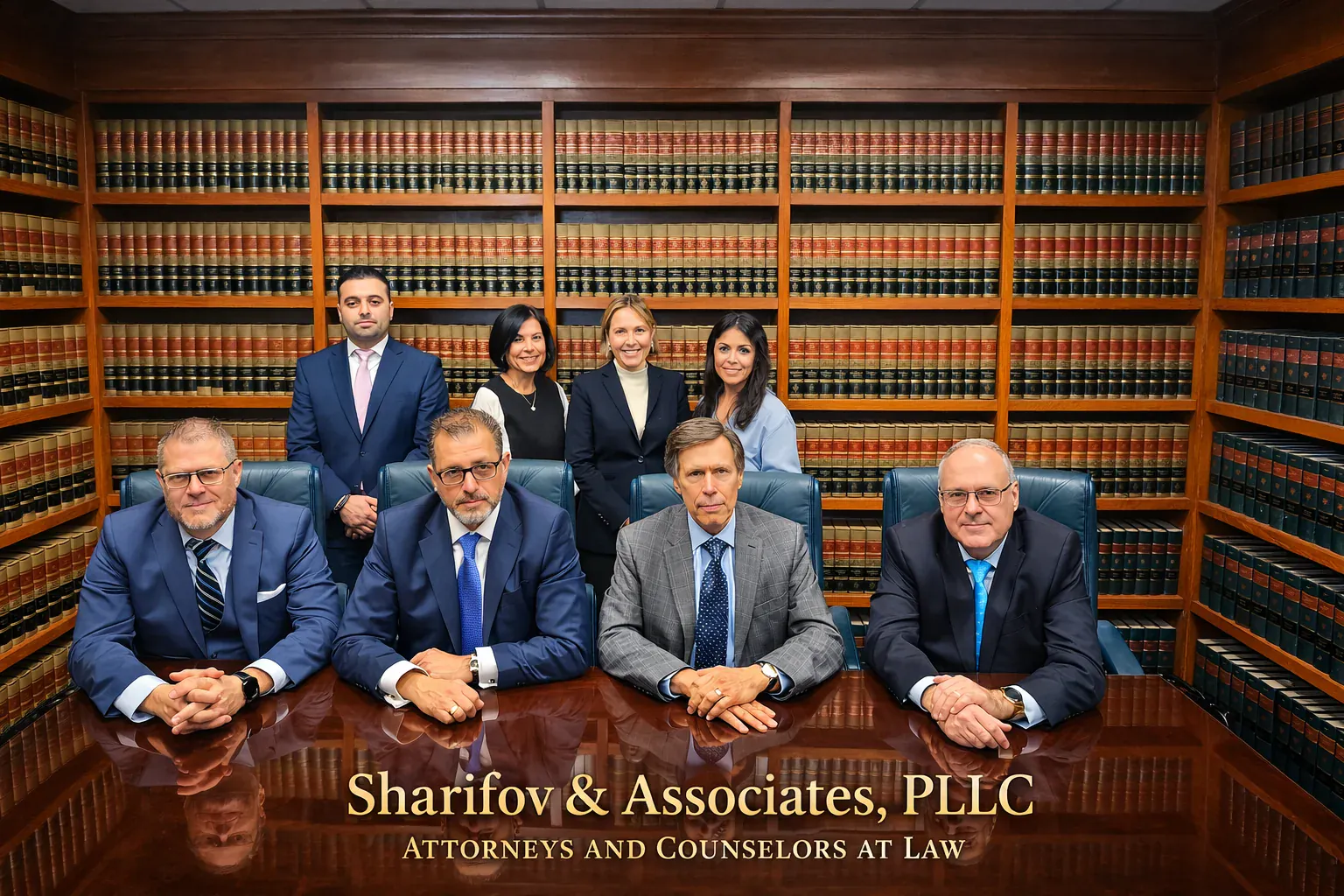
Rovshan Sharifov
Former Nassau County prosecutor
24+ years of criminal-law experience
 Super Lawyers
Focused criminal representation
Experienced. Respected. Aggressive. Successful.
A Nassau County criminal matter may begin with an arrest, a Desk Appearance Ticket, a traffic stop, a warrant, or contact from Nassau County Police or another investigative agency. The correct response depends on more than the name of the charge. It requires attention to the court, procedural posture, available evidence, release conditions, and any order of protection.
Sharifov & Associates, PLLC maintains an office at 50 Main Street in Hempstead, close to Nassau County District Court. The firm represents clients in misdemeanor, felony, DWI, domestic-violence, theft, fraud, drug, weapons, and related criminal matters, as well as selected state and federal investigations.
Founding attorney Rovshan Sharifov is a former Nassau County prosecutor with more than 24 years of criminal-law experience. He has been selected to Super Lawyers for 2019–2026.
If the matter is active now
Criminal cases handled
The charge name is only the starting point. The defense must account for how the evidence was obtained, what the prosecution must prove, and what consequences matter most to the client.
Representation in District Court proceedings, felony investigations and arraignments, Grand Jury matters, and indicted cases in Nassau County Court.
Defense involving vehicle stops, observations, field sobriety exercises, breath or blood evidence, license issues, and related driving charges.
Criminal defense where allegations may produce temporary protection orders, home exclusions, family-contact limits, and related Family Court concerns.
Defense in shoplifting, petit and grand larceny, forged-instrument, financial, and other property-related accusations.
Close review of possession, intent, search-and-seizure issues, statements, laboratory records, and the connection alleged between a person and the item.
Advice before arrest, voluntary-surrender planning when appropriate, warrant matters, investigative contact, and time-sensitive Grand Jury decisions.
From first contact forward
The sequence varies. Some cases begin with a Desk Appearance Ticket or investigation; others involve custody, warrants, indictment, or federal procedure.
Counsel can identify the agency involved, communicate with investigators, and evaluate whether a controlled surrender is available and appropriate.
Nassau County District Court handles misdemeanors and lesser offenses and arraigns people accused of felonies. Release conditions and protection orders may be addressed.
The defense reviews police paperwork, recordings, body-camera footage, statements, physical evidence, witness accounts, and procedural compliance.
Felony cases may involve Grand Jury decisions. Other matters may require motions concerning evidence, accusatory instruments, discovery, or speedy-trial issues.
Counsel evaluates negotiations, hearings, and trial based on the evidence, legal defenses, collateral consequences, and the client’s informed decisions.
Criminal case flowchart
The original branching diagram is below. Follow its arrows from arrest through possible dismissal, plea, trial, and sentencing; actual paths vary.
→ Sentencing
→ Sentencing
Police contact, an arrest, or an appearance ticket. Some cases begin without a custodial arrest.
The court addresses the charges, counsel, and release or other securing conditions.
Grand Jury action may be needed for a felony; a misdemeanor complaint may be converted to an information.
Discovery, investigation, and pretrial motions can shape the case or lead to dismissal.
A negotiated plea may resolve the matter; unresolved charges can proceed to trial.
A dismissal ends the case without sentencing. It may occur earlier in the process.
An acquittal at trial ends the case without sentencing.
A guilty plea or a conviction at trial proceeds to sentencing.
Court orientation
Nassau County District Court has trial jurisdiction over misdemeanors, violations, and infractions, and preliminary jurisdiction over felonies. Nassau County Court has authority to conduct felony trials. The Nassau County Traffic & Parking Violations Agency handles traffic, parking, and photo-enforcement matters. The firm also provides representation in village courts throughout Long Island and selected counties in upstate New York. The court notice and case posture determine where a person must appear.
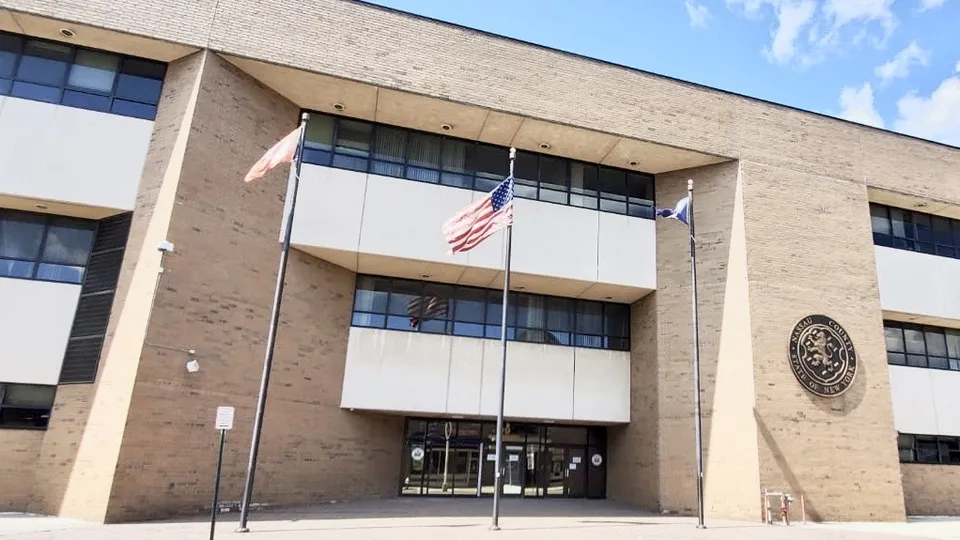
99 Main Street, Hempstead, NY 11550
Misdemeanor and lesser-offense proceedings, felony arraignments and preliminary matters, and criminal traffic cases.
Arraignment at Nassau County District Court in Hempstead: What to Expect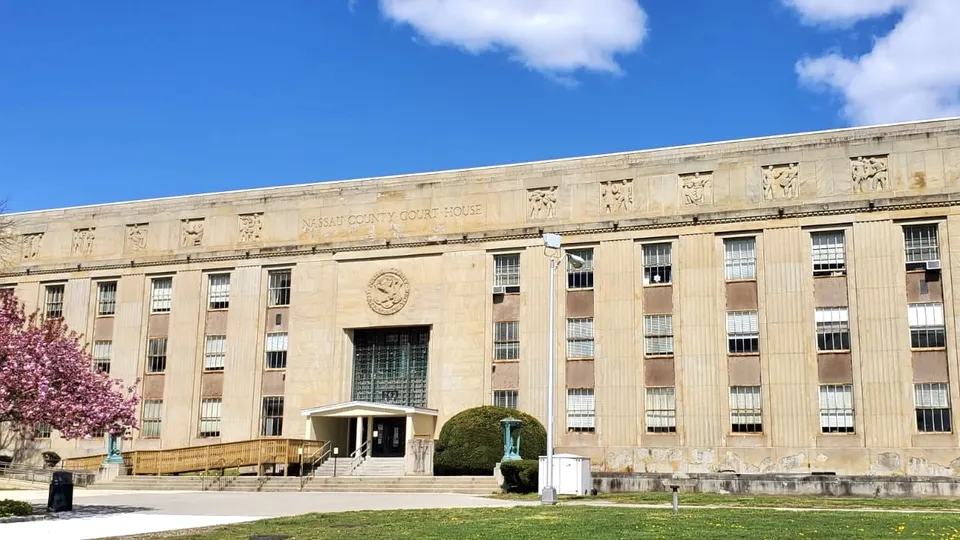
262 Old Country Road, Mineola, NY 11501
Felony matters after indictment, including hearings and trials within the court’s criminal jurisdiction.
801 Axinn Avenue, Garden City, NY 11530
Nassau County Traffic & Parking Violations Agency for traffic, parking, and photo-enforcement matters. Agency phone: 516-572-2700.
Service coverage
Representation in all Village Courts on Long Island and selected counties in upstate New York.
Court addresses and schedules can change. Confirm the current court notice and use official court sources before traveling.
Local access
The firm’s Hempstead office is located at 50 Main Street. Nassau County District Court is located at 99 Main Street. That proximity can make communication and preparation more practical, but clients should call before visiting and should never assume that an office appointment changes a court deadline.
Nassau cases can move between procedural stages and courthouses. A felony may begin with an arraignment in District Court and later proceed in County Court after indictment. Confirm the exact court, part, date, and appearance instructions shown on the most recent notice.
Frequently asked questions
These answers provide general New York information. A lawyer must review the facts, papers, and deadlines in your individual matter.
Official Nassau District Court informationRelated location guide
Facing a case in Brooklyn, Queens, Manhattan, or another NYC court? Review the dedicated New York City defense page.
Confidential consultation

Call for a time-sensitive matter or use the main consultation form to request an in-person or remote video consultation. Do not send confidential details until the firm confirms representation.
First contact
For a recent arrest, an upcoming court date, or contact from law enforcement, call either office or send a text.
Call us
Text us718-344-6287WhatsAppTelegramMessages are reviewed as soon as possible. Do not send confidential details. Standard message rates may apply.
 WhatsApp
 Telegram