
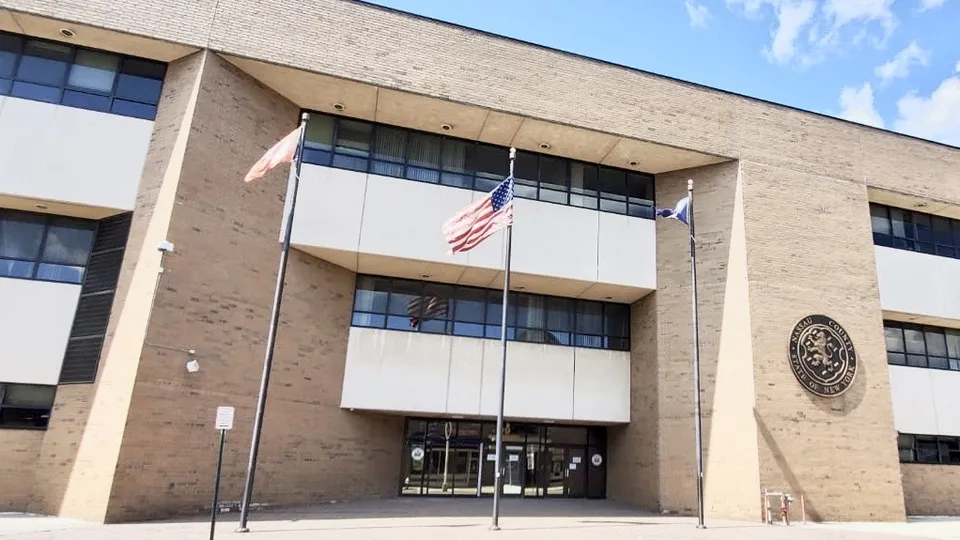
Most criminal cases in Nassau County begin with an arraignment at the Nassau County District Court, 99 Main Street, Hempstead. Our Hempstead office at 50 Main Street is a short walk from the courthouse. This guide explains which cases are arraigned there, what happens in the courtroom, and what comes next.
Which cases are arraigned in Hempstead
The District Court handles misdemeanors, violations, and traffic tickets that charge a crime, and it has preliminary jurisdiction over felonies. That means people accused of felonies are usually arraigned here as well. If a grand jury later returns an indictment, a felony case generally continues in Nassau County Court at 262 Old Country Road in Mineola.
How a case reaches arraignment
- After an arrest and custody: a person held after arrest is usually arraigned within about 24 hours.
- With a Desk Appearance Ticket: the arraignment is on the date printed on the ticket, generally within 20 days. Missing that date can lead the court to issue a warrant.
What happens at the arraignment
- The charges are presented, and you receive a copy of the charging papers.
- You are represented by a lawyer: a private attorney you choose, or an assigned attorney.
- A plea of not guilty is usually entered at this stage.
- The judge decides whether you are released and on what terms.
- The judge may issue a temporary order of protection, which is common in domestic-violence cases.
- The prosecution may serve notices about statements or identification evidence it intends to use.
- The case receives its next court date.
Release and bail
For most misdemeanors and non-violent felonies, New York law does not allow bail: the judge must release you, sometimes with non-monetary conditions. Bail or remand is possible only for qualifying offenses. Ask your attorney before the arraignment which outcome is realistic in your case and, for a qualifying offense, which form of bail may be set.
If an order of protection is issued
Read it and follow every term immediately, even if the protected person invites contact. An alleged violation can lead to a new arrest or a criminal-contempt charge. Your attorney can explain the order and the lawful way to ask the court to change it.
Practical tips for the arraignment day
- Bring government-issued identification and the paperwork you received.
- Family members should know the person's full legal name and date of birth, and keep their phone on in case the attorney needs information.
- Arrive early and expect security screening at the entrance.
- Do not discuss the facts of the case in hallways or with anyone other than your attorney.
- Write down the next court date and keep every paper the court gives you.
What happens after the arraignment
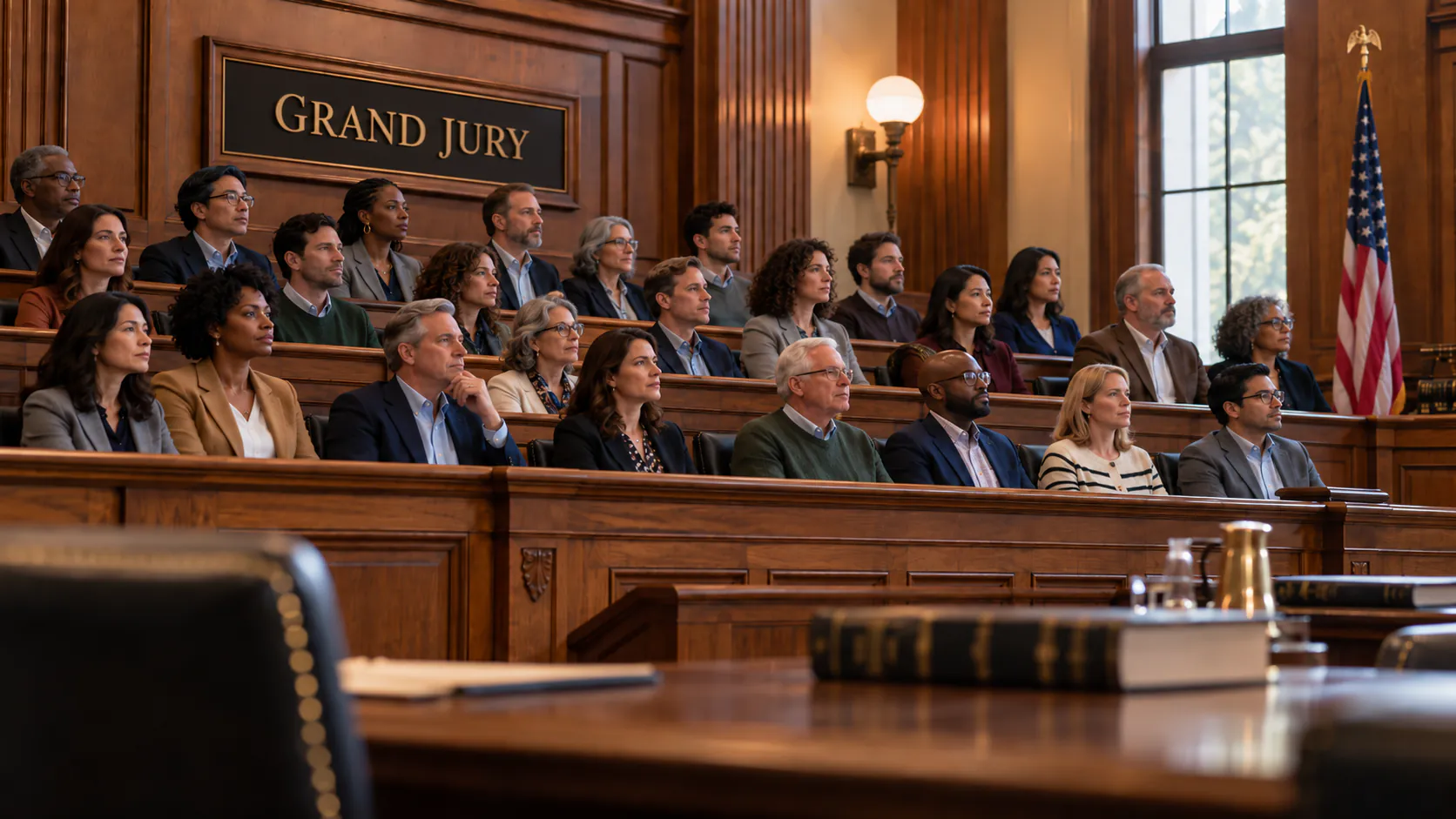
A misdemeanor case usually stays in District Court. A felony case may be presented to a grand jury and, after an indictment, continue in County Court in Mineola. Along the way, cases can involve discovery, hearings, plea negotiations, and trial. Our guides explain each stage: Grand Jury, Hearings, Plea Bargaining, Trial, and the difference between a felony and a misdemeanor.
Practical answers
Frequently asked questions
Where are Nassau County arraignments held?
Is a felony arraigned in District Court?
How soon after an arrest is the arraignment?
What if I miss my arraignment date?
Arraignment representation in Hempstead
Sharifov & Associates, PLLC represents clients at arraignments in Nassau County District Court and throughout the life of the case. Rovshan Sharifov served as an Assistant District Attorney in the Nassau County District Attorney's Office from 2002 to 2006. If someone you know has been arrested, or you received a Desk Appearance Ticket, call our Long Island office at 516-505-2300.
 WhatsApp

 Telegram